
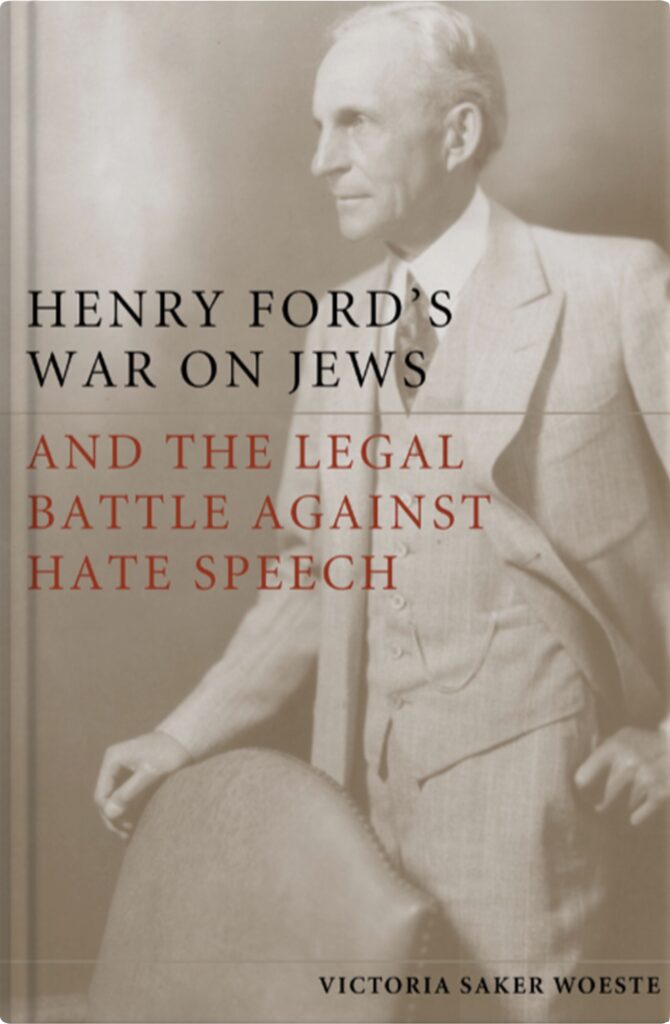
Henry Ford’s War on the Jews and the Legal Battle Against Hate Speech
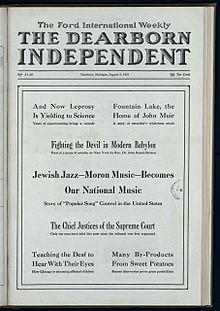
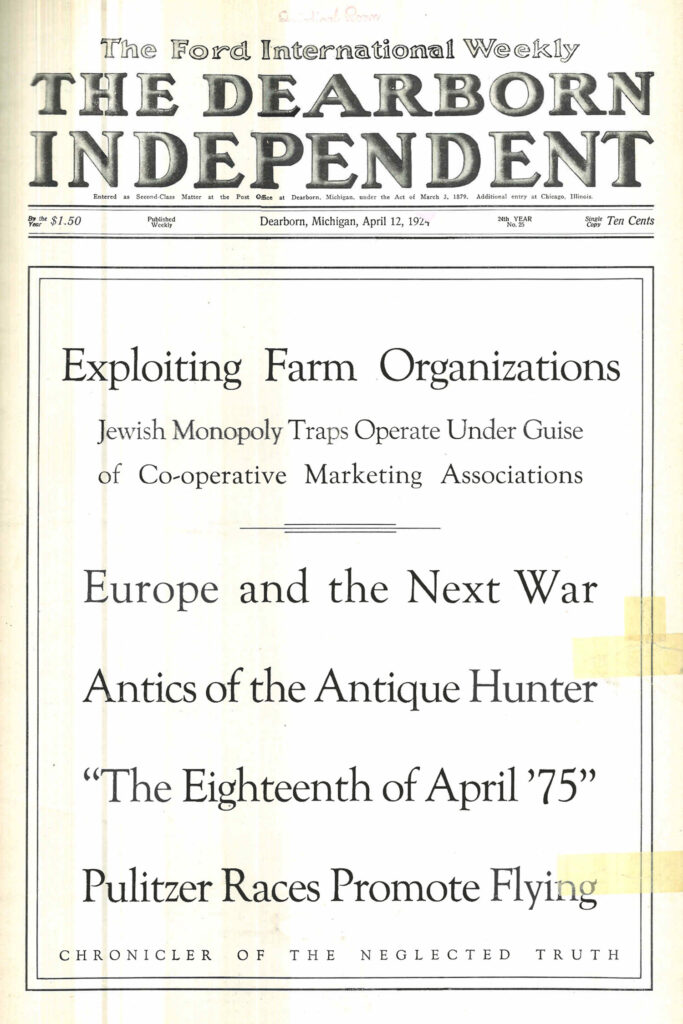
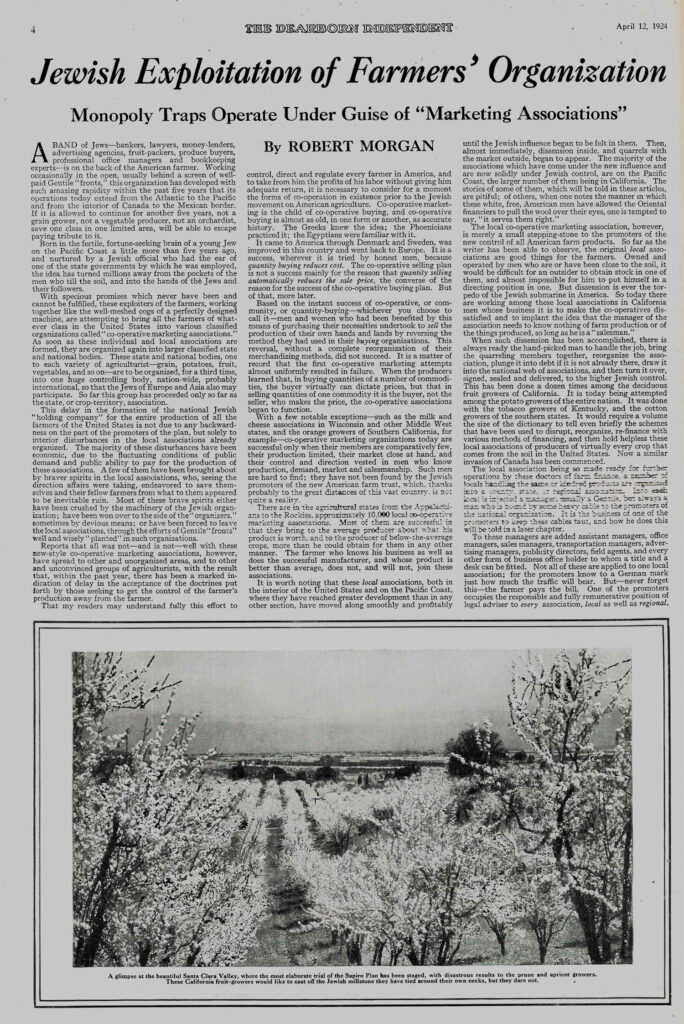
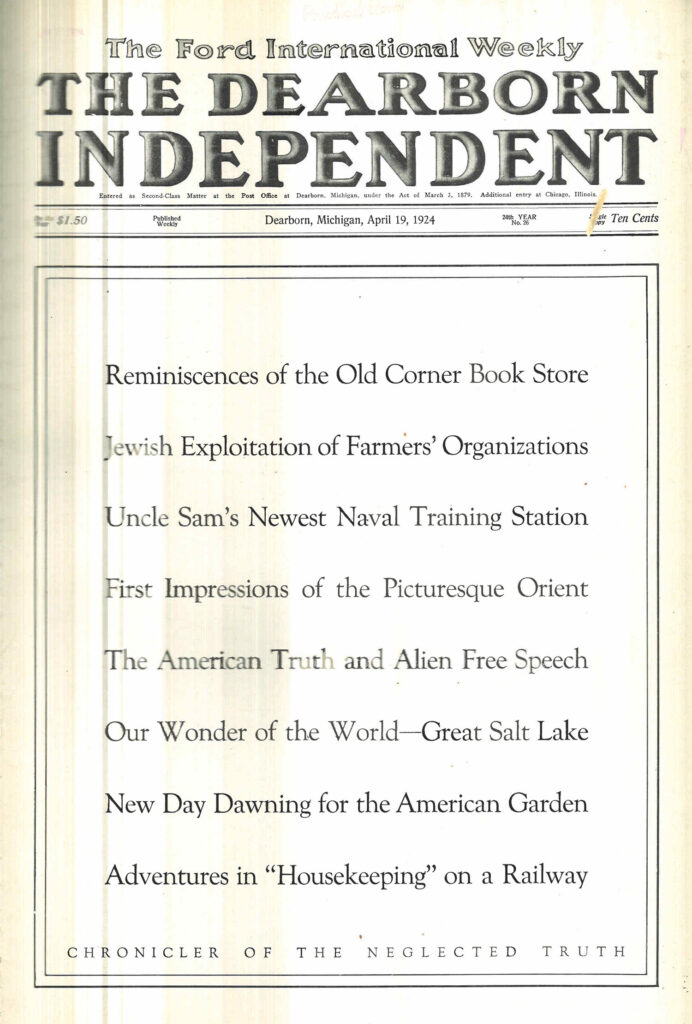
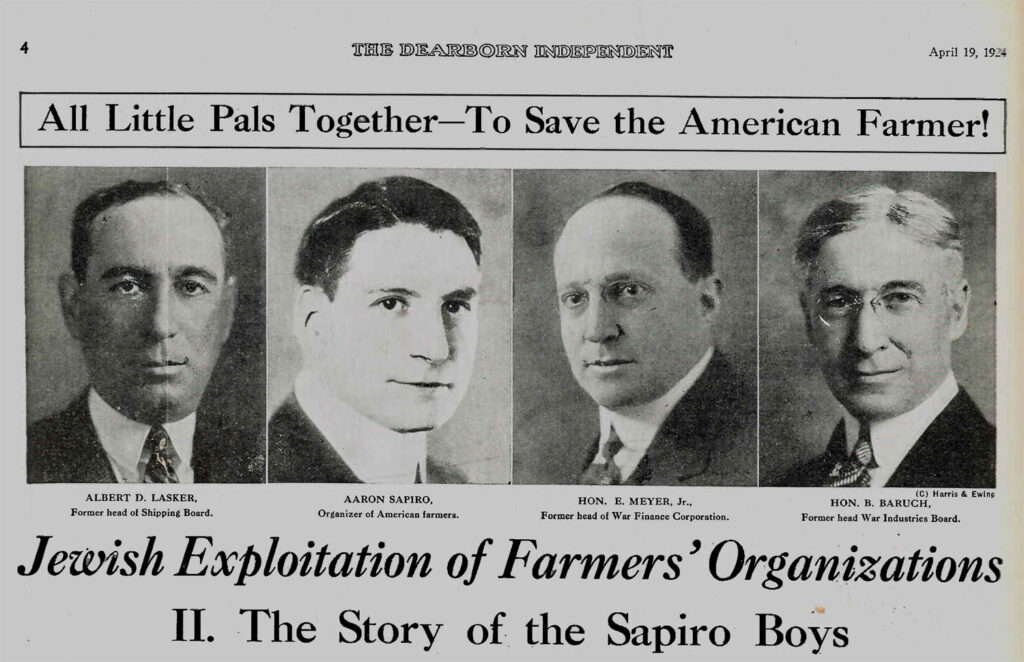
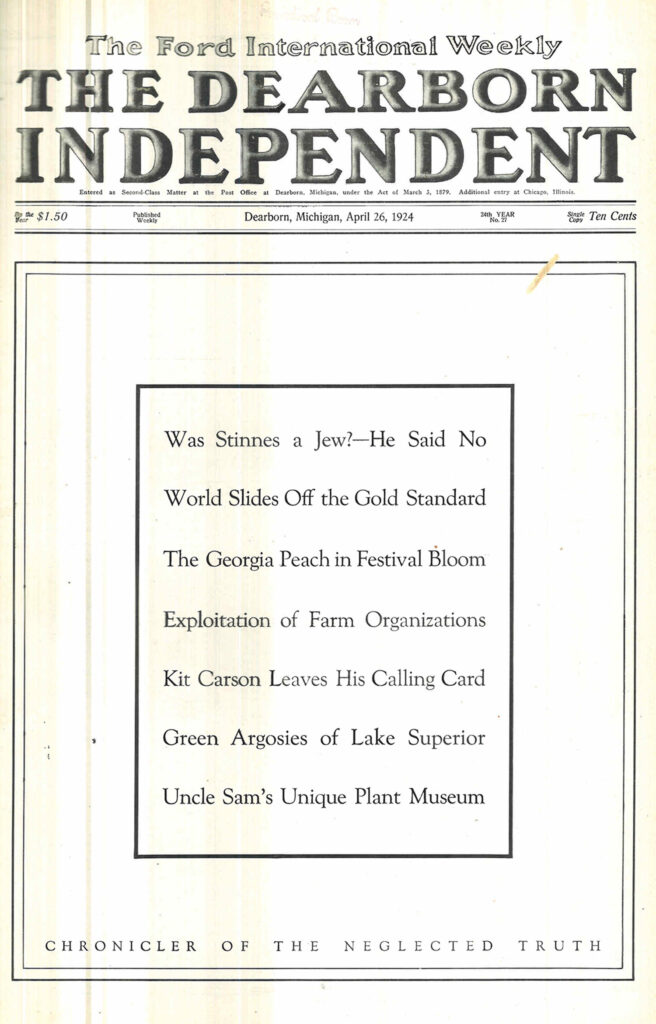
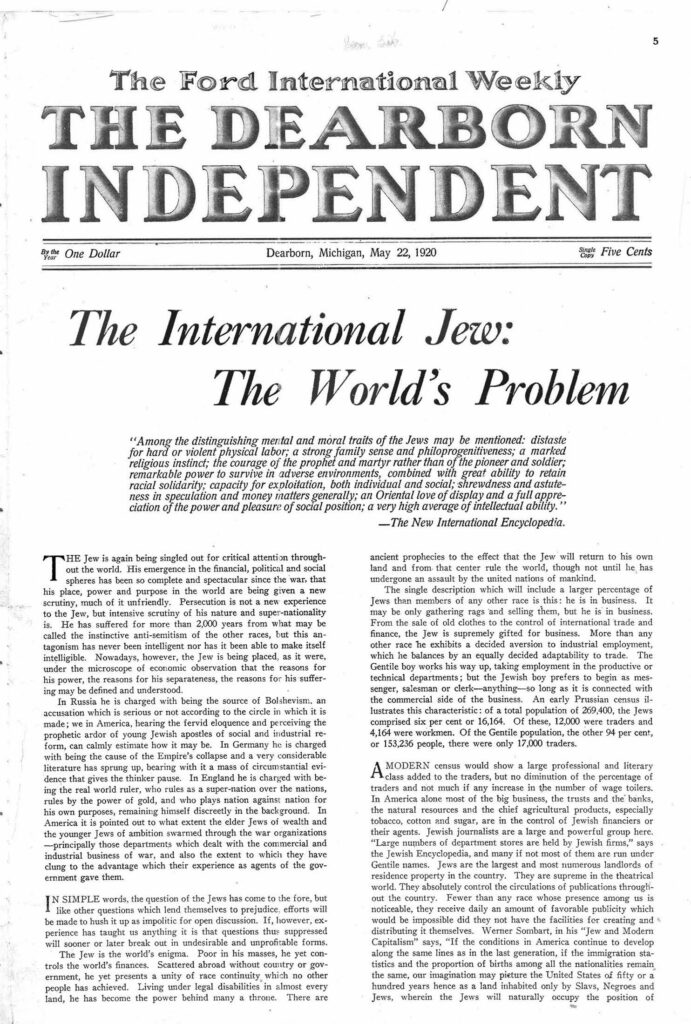
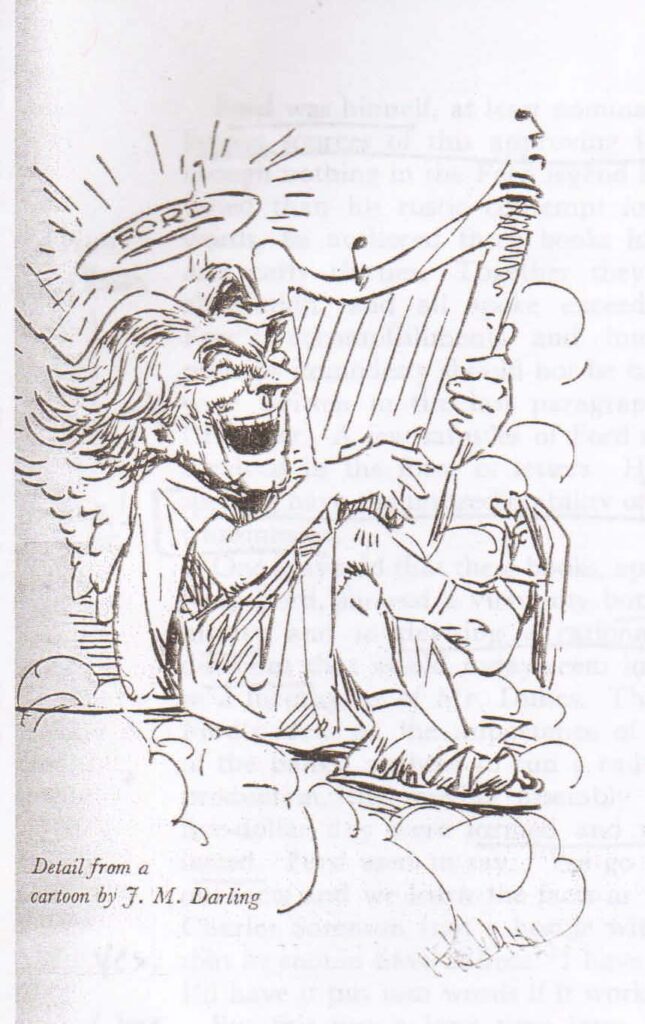
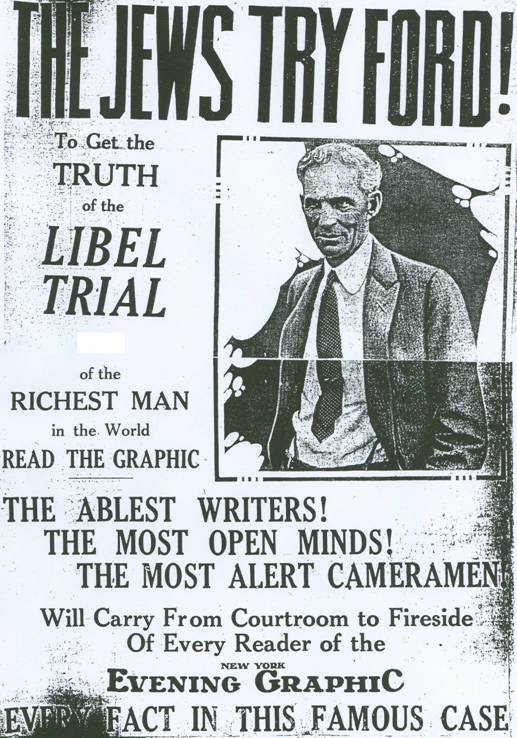
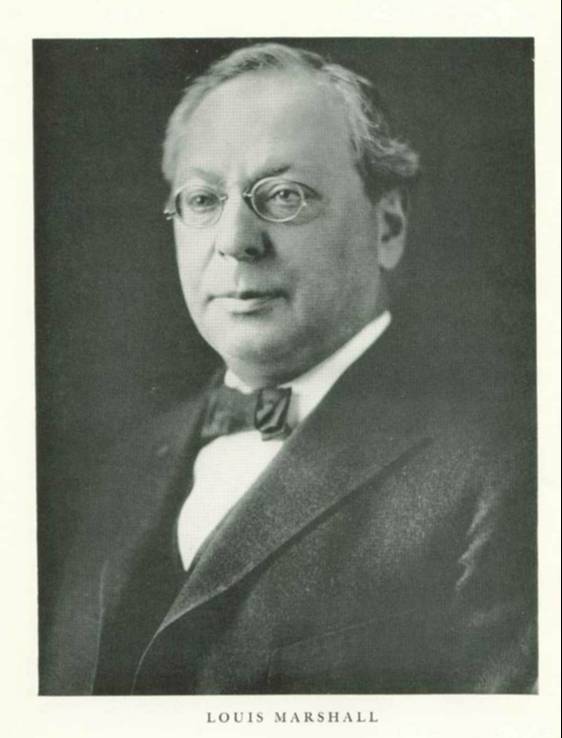
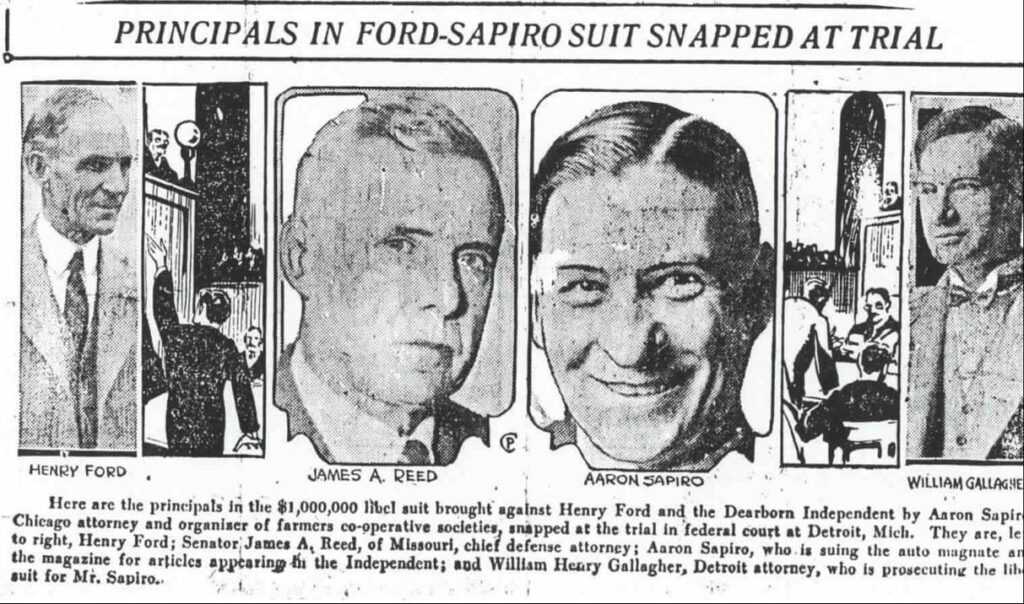
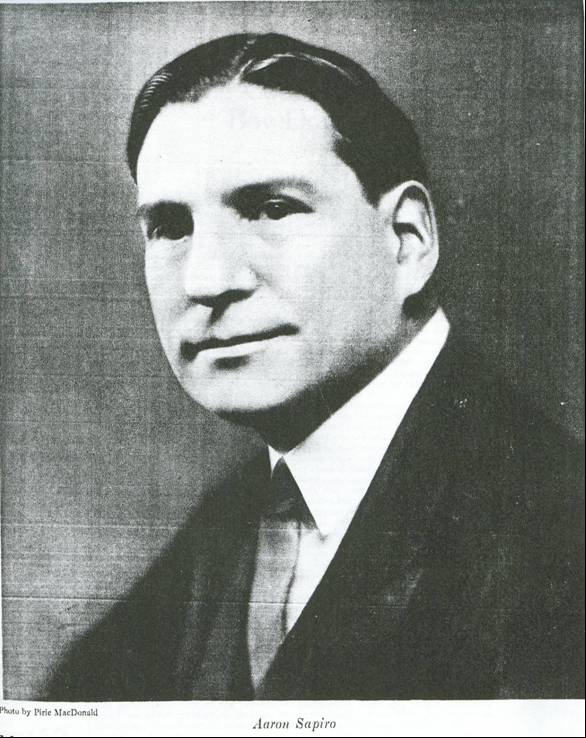
Henry Ford is remembered in American lore as the ultimate entrepreneur—the man who invented assembly-line manufacturing and made automobiles affordable. Largely forgotten is his side career as a publisher of antisemitic propaganda. This is the story of Ford’s ownership of the Dearborn Independent, his involvement in the defamatory articles it ran, and the two Jewish lawyers, Aaron Sapiro and Louis Marshall, who each tried to stop Ford’s war.
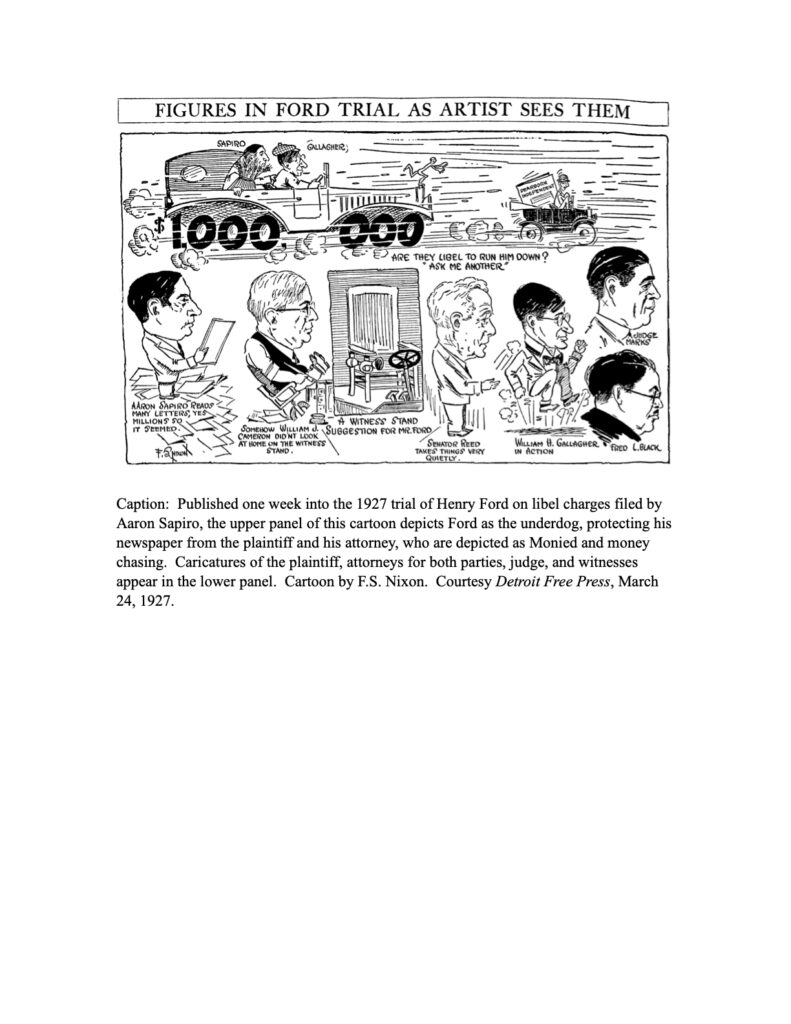
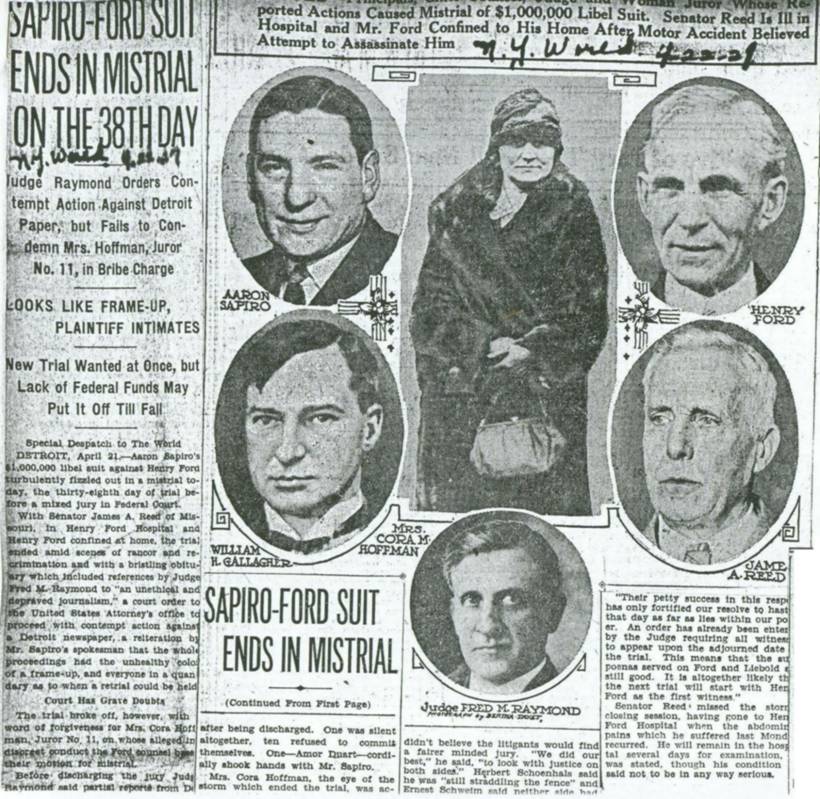
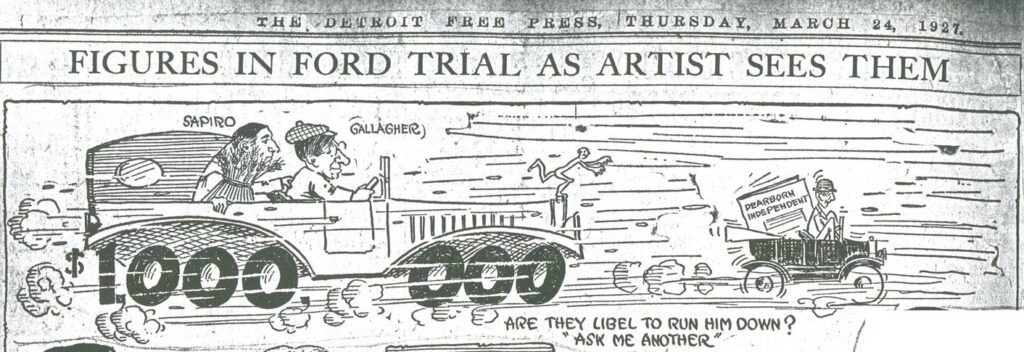
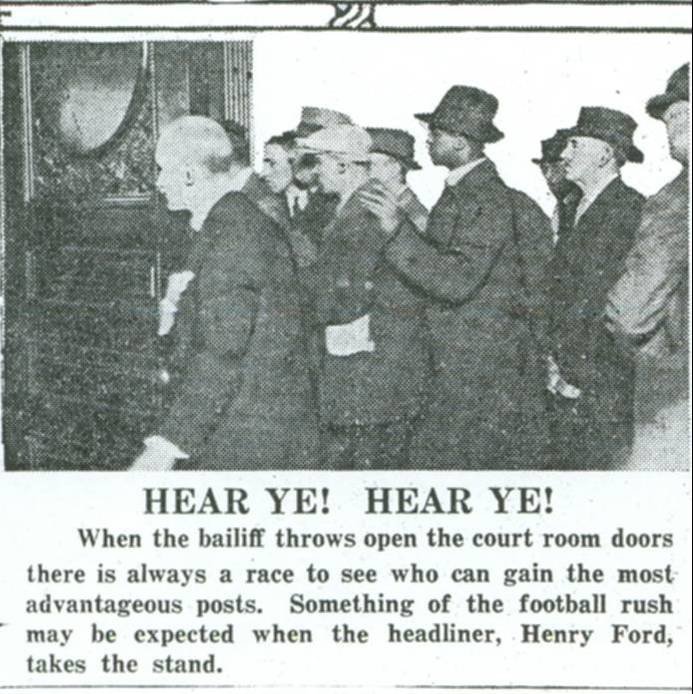
In 1927, the case of Sapiro v. Ford transfixed the nation. In order to end the embarrassing litigation, Ford apologized for the one thing he would never have lost on in court: the offense of hate speech.
Using never-before-discovered evidence from archives and private family collections, this study reveals the depth of Ford’s involvement in every aspect of this case and explains why Jewish civil rights lawyers and religious leaders were deeply divided over how to handle Ford.


Reviews of Henry Ford’s War on the Jews
Jamie Raskin
“What an astonishingly perceptive and significant book . . . . Marshall, Sapiro, and Ford come alive for me in vivid and unforgettable ways, and the moral and political judgments . . . are just profound and subtly provocative.”
Jamie Raskin
U.S. Rep.
William E. Forbath
“Victoria Woeste has written a brilliantly detailed account of the responses to Ford’s ‘War on Jews,’ focusing on two leading American Jewish lawyers: Louis Marshall and Aaron Sapiro.”
William E. Forbath
University of Texas, Austin
Eric Smaw
“Victoria Saker Woeste’s Henry Ford’s War on Jews offers an excellent account of the events that led to the Marshall-Ford alliance and how those events affected American libel law.”
Eric Smaw
Rollins College
Gary Maveal
“Thoroughly researched and footnoted, the book analyzes Sapiro v. Ford and its aftermath in the larger social context of combating hate speech. This ambitious scope is paired with lively writing to produce an impressive history.”
Gary Maveal
University of Detroit Mercy School of Law
Tanya Katerí Hernández
“Woeste deliver[s] in-depth analyses rich with ethnographic and historical detail. . . .[She suggests] that the continued race-blind absolutist approach to the First Amendment in the United States will continue to hinder the realization of full equality for those groups that are systematically targeted with hate speech messages.”
Tanya Katerí Hernández
Fordham University
Rafael Medoff
“Thoroughly researched and ably written, Henry Ford’s War on Jews traces [Aaron] Sapiro’s valiant attempt to defend not only his good name but that of the Jewish people.”
Rafael Medoff
The David S. Wyman Institute for Holocaust Studies
Jonathan Sarna
“This volume, based upon primary sources that have for the most part never before been examined, taught me an enormous amount that is not in any previous work. Woeste brilliantly recreates the legal struggle against Henry Ford’s Dearborn Independent, underscores its larger significance, and introduces readers to the central figures in the case, especially Aaron…
Jonathan Sarna
Brandeis University
Detroit Legal News
“Woeste argues that the Ford libel/hate speech episode is a dramatic example of the extension of corporate and economic power into the social realm and the inability of law to constrain such behavior. . . . The ground-breaking research presented in ‘Henry Ford’s War’ is extremely relevant to legal policy makers today.”
Detroit Legal News
June 2012
Aviam Soifer
“Henry Ford’s War on Jews digs deeply and yet subtly into the serious, basic tensions that surrounded Jewish identity and leadership in the United States of the 1920s. . . . By leading the reader to and through Sapiro’s once nationally famous libel trial against Henry Ford in federal court in Detroit in 1927, Woeste…
Aviam Soifer
University of Hawai’i
Richard S. Levy
“This will be the definitive work on Henry Ford and his confrontation by American Jews. She is balanced and critical in her approach, avoiding the preachiness typical of the writing on this subject. This is not a story with cartoon villains and blameless heroes. It respects the evidence. And she is absolutely right when she…
Richard S. Levy
University of Illinois at Chicago
Samuel Walker
“Woeste’s book is . . . . a rich social history of a public controversy and a long-forgotten libel suit. Its strength is in delineating the contingencies involved in the interplay of strong personalities, organizations, and conflicting strategies for combating bigotry.”
Samuel Walker
University of Nebraska at Omaha
Melvin I. Urofsky
In the 1920s the auto magnate, Henry Ford, bought a small newspaper with one purpose in mind, to spread his hatred of the Jews. He brought out the American edition of the infamous forgery, “The Protocols of the Elders of Zion,” and his own rant, “The International Jew.” One man, Aaron Sapiro, dared to take…
Melvin I. Urofsky
Virginia Commonwealth University